50+ Watercolor Roses Seamless Paper: A Designer's Secret Weapon
More Than Just a Pretty Background
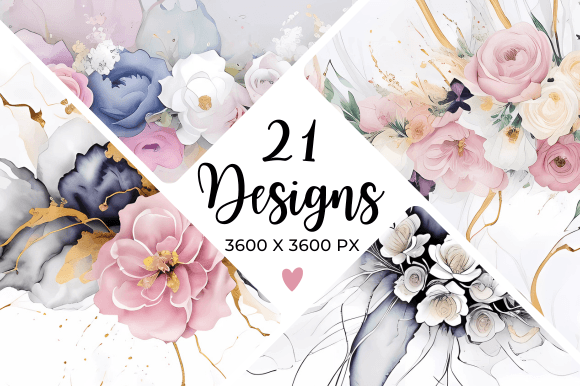
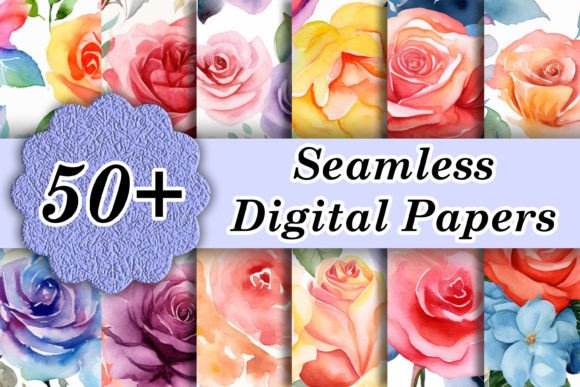
Let's be honest, finding a background that feels both authentic and versatile is tougher than it sounds. You've probably sifted through countless digital papers that look cheap, repetitive, or just... off. The 50+ Watercolor Roses Seamless Paper collection cuts through that noise. This isn't a single, static image. It's a toolkit of 52 high-resolution, seamless patterns, each capturing the soft, organic bleed and translucent layering of real watercolor paint. The roses aren't clip-art stiff; they have a gentle, hand-painted personality that feels warm and inviting. The seamless design means you can scale these patterns to cover a billboard or a business card without ever seeing a harsh, tiled edge. For anyone building a visual world—whether it's a brand, a blog, or a wedding invitation—this collection offers a foundational asset that feels both premium and personal.
The appeal lies in its balance. These patterns are decorative enough to add character but restrained enough to let your foreground content shine. They carry the quiet elegance of a botanical garden with a touch of artistic imperfection that makes digital designs feel human. This isn't about flashy, trend-driven graphics; it's about establishing a consistent, sophisticated mood that communicates care and quality.
Where These Patterns Truly Blossom
Think about the projects where texture and atmosphere are non-negotiable. For a brand identity centered on artisanal goods, wellness, or boutique retail, using a subtle rose pattern from this set as a website background or packaging texture instantly builds a cohesive, tactile feel. It whispers "thoughtful" and "crafted" louder than any stock photo ever could. In editorial design, imagine a magazine layout for a floral-themed feature or a cookbook—using one of these as a chapter opener or a pull-quote background adds depth without distracting from the typography.
The practical applications extend far beyond traditional design. As a content creator or blogger, these seamless patterns are gold. Use them as the backdrop for quote graphics on Instagram, as a consistent background for your Pinterest pins, or as the foundation for your newsletter headers. For entrepreneurs and marketers, they can elevate a sales page, transform a simple PDF checklist into a branded lead magnet, or add a professional polish to presentation slides. Crafters and hobbyists will find them invaluable for digital scrapbooking, printable wall art, custom stationery, or even as a base for sublimation printing on mugs and tote bags. The commercial license included means you can confidently use these in projects for sale.
Integrating Texture into Your Visual Strategy
Using a pattern like this effectively is about understanding its role in your visual hierarchy. It's a supporting actor, not the lead. Start by sampling a muted or desaturated version of the pattern to use as a subtle texture behind text-heavy areas. This adds richness without sacrificing readability. Pair it with clean, modern sans serif fonts for body text—the contrast between the organic, flowing pattern and crisp, geometric type is striking and ensures clarity. For headlines, you could introduce a complementary serif font or even a delicate script font to lean into the elegant, artistic vibe, but always test the pairing at various sizes.
Evaluate the project's overall tone. Is it romantic and soft? Lean into the blush and cream tones. Is it more rustic and earthy? Use the patterns with deeper, muted greens or taupe undertones as a base. The key is consistency. Using the same watercolor rose style across your website, social media graphics, and printed materials builds powerful brand recognition. It tells your audience that you pay attention to detail, which directly influences their perception of your professionalism and the value of what you offer. Before finalizing, always test the pattern behind critical text elements like phone numbers or CTAs to guarantee there's enough contrast. The 300 dpi resolution and large dimensions (3600x3600 pixels) give you ample room to crop, adjust, and recolor without losing quality, making this set a genuinely flexible design asset for your creative toolkit.