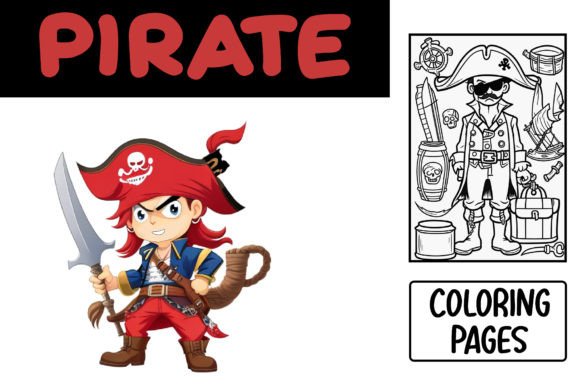
Cartoon Pirate Coloring Pages: Unlock Adventure in Your Designs
The Irresistible Appeal of Pirate-Themed Illustrations
Where This Creative Font Truly Shines: Practical Applications
For Branding and Marketing: Imagine a children's party planning business, a toy store, or a family-friendly adventure park. Using a cartoon pirate character from these pages as a mascot or a recurring graphic element in their brand identity instantly communicates fun, excitement, and imagination. The illustrations can be adapted for logos, social media profile pictures, email newsletter headers, and promotional flyers. The consistent, playful style ensures brand recognition across all touchpoints. It’s a strategic way to build a brand personality that feels approachable and energetic without relying on generic stock imagery.
In Publishing and Editorial Design: Bloggers and publishers focused on parenting, education, or crafts can use these illustrations to break up text-heavy articles. A pirate-themed blog post about planning a kid's birthday party, for example, becomes infinitely more engaging with a well-placed illustration of a pirate ship. For children's book authors or illustrators, these pages serve as excellent reference material or even a starting point for developing their own character styles. The clean lines make them easy to integrate into layouts without creating visual clutter.
Digital and Print Projects: The applications extend into the physical world. Crafters can use the illustrations for custom sticker sheets, party invitations, scrapbooking elements, and even t-shirt designs for pirate-themed events. Small business owners can create unique packaging for products—think a pirate-themed cookie mix or a child's craft kit. The provided ZIP folder with both PDF and JPEG formats is crucial here. The PDFs are perfect for high-quality printing, while the JPEGs offer easy integration into digital design software like Canva, Adobe Illustrator, or Photoshop for further customization, color adjustments, and incorporation into larger compositions.
Working with Pirate Motifs: A Designer's Perspective
Evaluating Fit and Visual Hierarchy: First, assess if the cartoon style aligns with your project's overall tone. While perfect for playful, whimsical, or family-oriented contexts, it might clash with a minimalist, corporate, or high-fashion brand. When using the illustrations, be mindful of visual hierarchy. A large, detailed pirate ship can serve as a powerful focal point, while smaller elements like a parrot or a treasure chest work well as supporting graphics or icons to guide the viewer's eye.
Testing and Pairing: Don't use these illustrations in isolation. Test how they interact with your chosen typography. A bold, adventurous display font can complement the pirate theme for headlines, but for body text, you'll need a highly legible serif or sans-serif font to ensure readability. The key is contrast and balance. The cartoon illustration provides the personality, while clean, professional typography ensures the message is delivered clearly.
Customization and Consistency: The real power comes from customization. While the pages are designed for coloring, in a professional setting, you might recolor the illustrations to match a specific brand palette. You could use just the outline of a character, or isolate specific elements like the treasure chest for use as an icon. This is where having the JPEG files becomes invaluable for graphic manipulation. Remember, consistency is key to building a recognizable brand identity. If you use a pirate character, use it consistently across your marketing materials to reinforce the association.
Licensing and Commercial Use: This is a critical consideration. The provided information states that selling the item itself is prohibited without permission. This is standard for protecting the original creator's work. However, using the illustrations *within* a larger, original design for a commercial project (like a logo for a client, a t-shirt you sell, or a blog post on your monetized site) is typically the intended use for such assets. Always double-check the specific license terms included with your purchase to understand the full scope of your rights. A reputable creative professional respects these boundaries, ensuring the work of fellow artists is protected while leveraging the assets to create something new and valuable.